
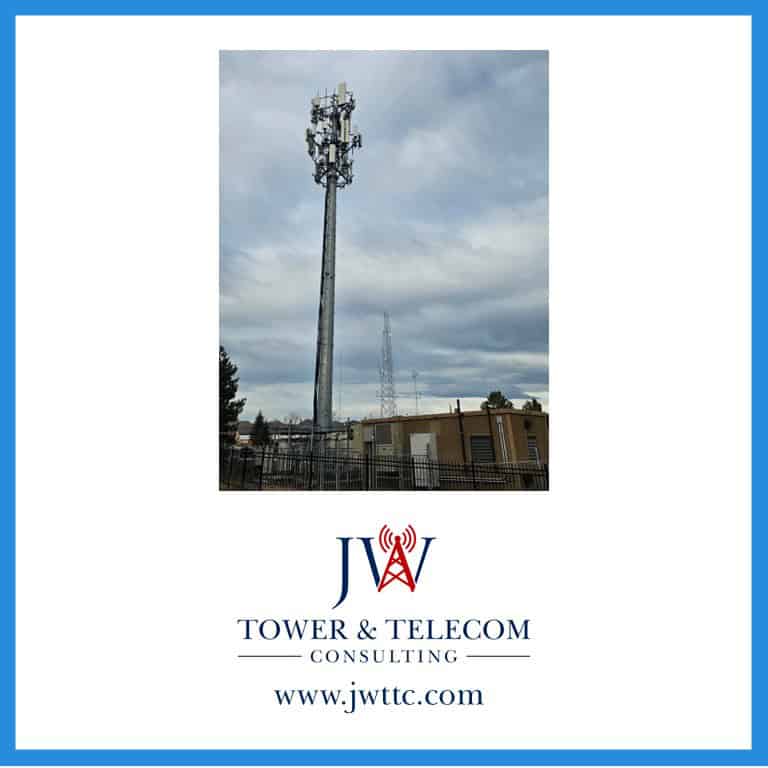
If you own property with a cell tower, one of the most important moments in the life of your lease is expiration. Unfortunately, it’s also one of the most misunderstood.
Many landlords assume one of two things:
-
“The carrier will just leave.”
-
“It will automatically renew.”
In reality, what happens at expiration depends entirely on the language in your lease. This is where significant financial opportunity (or loss) is created.
This article explains exactly what typically happens when a cell tower lease expires, what tower companies and wireless carriers are really doing behind the scenes, and how you can protect your leverage.
First: Cell Carriers and Tower Companies Almost Never “Just Leave”
Let’s clear up the biggest myth.
Cell carriers and tower companies invest heavily in each site:
-
Engineering
-
Permitting
-
Zoning
-
Construction
-
Network integration
Because of that, they do not casually abandon sites. Also, relocating a site is costly and difficult. It takes a significant amount of capital and time to find a replacement location that may be no better than the current one. In our experience, wireless carriers generally prefer to remain at their current locations and maintain existing arrangements. Depending on specific customer agreements, tower companies may be liable for tenant relocation costs, as well as the associated investment of time, capital, and labor.
In most cases, they will:
-
Hold over in the lease
-
Renegotiate (often through a third-party renewal company, such as MD7, negotiating on the carrier’s behalf)
-
Extend the lease
Understanding this changes how you should approach expiration.
The 4 Most Common Scenarios at Cell Tower Lease Expiration
1. Holdover Period (Most Common Outcome)
This happens when the lease term ends but the cell tower or rooftop cell tower remains in operation.
Typical characteristics:
-
Lease becomes month-to-month
-
Rent continues (often at the same rate)
-
In some leases, rent increases during holdover (this would have been written into the original lease or amendment)
-
In others, there is no penalty at all
From the tower company’s perspective, holdover can be extremely useful:
-
It buys them time
-
It reduces urgency
-
It weakens your negotiating position if you are unprepared
From the landlord’s perspective, this is a quiet leverage window, if you know how to use it.
2. Automatic Extension Clauses
Many cell tower leases include language such as:
“Tenant shall have five (5) additional five (5) year extension options…”
If the carrier properly exercises these options:
-
The lease continues
-
Rent and escalators usually stay the same
-
Your ability to renegotiate is limited or eliminated
The problem:
Many landlords assume the carrier has this right, when in fact:
-
The notice window was missed
-
The extension language is defective
-
Or the option is not automatic
This is why a detailed lease review is critical. In a recent Verizon / American Tower lease and a Crown Castle lease we have reviewed, if termination is not asserted by the property owner, the lease will automatically renew and continue into the future under existing terms.
3. Strategic Renegotiation: Maximizing Long-Term Value
If:
-
There is no valid extension option
-
The tower company or carrier missed the notice window
-
Or the language is ambiguous
Then the balance of power can shift.
This is when you may be able to:
-
Increase base rent
-
Improve escalators
-
Add co-location revenue
-
Remove outdated or abusive clauses
-
Negotiate signing bonuses or extension payments
This is also when tower companies have far more flexibility to agree to terms. Many landlords never realize they had leverage at this stage. A tower company wants to preserve the tower and the income stream coming in from each of its tenants, realizing the financial margin between what it pays the property owner and what it collects from tenants such as AT&T, Verizon, and T-Mobile.
4. Decommission and Removal (Rare, But Possible)
In some cases, carriers will choose to:
-
Remove equipment
-
Restore the site
-
Terminate occupancy
-
Leave equipment on site (the recent DISH network shutdown is one example)
This typically only happens if:
-
The site is truly redundant
-
Network coverage can be replaced nearby
-
Or zoning restrictions make upgrades impossible
Even then, the threat of removal is often a negotiating tactic rather than a real plan.
What Tower Companies and Wireless Carriers Are Really Doing at Expiration
This is the part most landlords never see.
As expiration approaches, tower companies often:
-
Delay communication to create pressure on your side
-
Present renewals as “routine paperwork”
-
Offer standard amendments that heavily favor them
-
Anchor low and hope you don’t question it
They are trained to protect network assets and reduce long-term costs. If you sign without reviewing, you are almost always giving up value.
As expiration approaches, wireless carriers often:
-
Offer standard amendments
-
Review potential relocation options if they are unable to renew
-
Internal resource constraints and a lack of program oversight can result in a failure to proactively address renewals, causing leases to lapse into holdover status.
This is also why lease terms matter more than rent – the clauses that control renewal and holdover dictate your outcome at expiration.
Why Expiration Is the Most Important Moment in Your Lease
From a strategic standpoint, expiration is when:
-
Cell tower lease buyouts become more attractive as you approach the final expiration
-
Renegotiations become possible
-
Carriers are most flexible
-
Landlords are most vulnerable
It is also the moment when a single signature can lock you into:
-
10, 20, even 30 more years of under-market rent
Once that happens, there is no easy way back.
Common Mistakes Landlords Make at Expiration
-
Assuming the tower company or wireless carrier controls everything
-
Signing extension paperwork without review
-
Letting the lease drift into holdover without a plan
-
Not understanding their own lease language
-
Negotiating alone against a trained corporate team
These mistakes can cost tens of thousands—or more—over the life of the lease.
Every Lease Is Different
There is no universal answer to what happens at expiration.
It depends on:
-
Your original lease language
-
Amendments and side letters
-
Extension option wording
-
Notice requirements
-
Carrier behavior
-
Local zoning and network needs
Two leases on the same street can have completely different outcomes.
Final Thought
If your cell tower lease is approaching expiration, or if you’ve already received a renewal or extension offer, this is not the time to guess.
A professional lease review can uncover:
-
Hidden leverage
-
Missed notice windows
-
Renegotiation opportunities
-
Buyout potential
Before signing anything, it’s critical to understand what rights you actually have.
Schedule a Confidential Lease Review Before Signing Anything
If you would like the confidence of a second set of eyes on your agreement, whether for a valuation, extension, or buyout, we offer a free initial consultation. This introductory conversation is offered without obligation and will help you decide on the right next step for your future.
While many property owners focus solely on the monthly check, a deep dive into why lease terms matter more than rent reveals that legal protections like relocation clauses and insurance requirements often dictate the true value of your land. This becomes especially clear when investigating what is a cell tower lease buyout, as the lump-sum offer you receive is calculated based on the stability and risk buried within those specific contract details. Understanding the fine print also helps clarify why cell tower leases are so long, as carriers require decades of guaranteed access to justify their massive infrastructure investments and network continuity.
