
Cell Tower Lease Agreements
In today’s telecommunications landscape, cell tower lease agreements can create significant financial opportunities for property owners across the USA. Many landlords are unsure what kind of agreement they’re being offered or how to determine its value, which is why expert guidance matters.
At JW Tower & Telecom Consulting, we help clients pursue stronger value through strategic negotiation and informed decision-making. We shed light on the complexities of cell tower lease agreements, including those involving major national and regional carriers such as AT&T, Verizon, and T-Mobile, to ensure our clients make informed decisions.
Unlock the True Value of Your Cell Tower Lease
Propelled by ongoing 5G deployments, many site rents have changed, yet thousands of owners are still bound by terms negotiated in very different markets. Determining whether your contract is underperforming requires more than comparing headline rent.
Core valuation drivers:
Learn why lease terms matter more than rent and how overlooked clauses can cost or save you six figures over a lease lifetime.
JW Tower & Telecom Consulting dissects every clause, models income under multiple deployment scenarios, and benchmarks terms against real‑time transactions nationwide. Our process reveals hidden upside and helps prevent one‑sided provisions from turning a routine rental into a resilient, inflation‑aware asset.


Comprehensive Lease Buyout Solutions
Cell tower lease buyouts let property owners swap years of rent checks for an immediate lump-sum payout, delivering quick liquidity that can be redirected into new investments or pressing financial needs. Because the first figure a tower company or investor proposes usually captures only a fraction of the lease’s full worth, a rigorous, market-based valuation is essential.
Our team examines every buyout offer against current lease rates, projected long-term income, prevailing market conditions, and the strategic importance of the site to wireless networks, then uses that analysis to secure substantially higher compensation. The firm also provides general guidance on potential tax implications and compares the one-time payment with the benefits of ongoing rent, equipping clients to choose the option that best fits their overall financial plan.
Expert Guidance on Lease Amendments
Carriers’ 5G and network-upgrade projects often require lease amendments to secure additional space, equipment rights, or structural changes. These moments create leverage for landlords but also carry hidden risks. One common clause that creates hidden risk is a right of first refusal in cell tower leases, which can reduce your property’s marketability. Our team audits each amendment to maintain a beneficial partnership. We eliminate language that unfairly limits your future flexibility, strategically aligning the carrier’s technical requirements with equitable terms that reflect the true value of your property’s role in their network.
If a third party like Tower Alliance has contacted you, learn why Tower Alliance is contacting you and what it means for your lease.
Key opportunities a well-negotiated amendment can secure:
By aligning amendment terms with current market standards and 5G-driven demand, owners avoid undervalued concessions and lock in greater long-term returns from their cell tower assets.


Strategic Support for Tower Sales
The sale of cell tower assets is a complex transaction requiring specialized knowledge. Our expert team provides comprehensive support for single or multiple sites to help maximize your return on investment. We target qualified buyers, including tower companies, infrastructure funds, and regional operators, to encourage competitive bidding and stronger pricing.
Our approach begins with a thorough valuation assessment that considers multiple factors affecting your tower’s market value. We position your assets by identifying likely buyers and creating professional marketing materials.
The process typically moves through four stages: valuation and data prep, targeted outreach and bids, due diligence, and closing with regulatory compliance, so you know what to expect from start to finish. We also advise on transactions that include the underlying ground lease rights to maximize total value and minimize tax or future encumbrance risks.
The Process: From Consultation to Completion
JW Tower & Telecom Consulting employs a systematic, client-centered approach to cell tower lease management. Our comprehensive process ensures no detail is overlooked while maintaining clear communication throughout our engagement.
The journey begins with an in-depth consultation to understand your specific situation, goals, and concerns. Then, our team conducts a thorough analysis of your current situation. Based on this analysis, we develop a customized strategy designed to achieve your objectives. We present this plan with clear explanations of available options, potential outcomes, and our specific recommendations, empowering you to make fully informed decisions.
Once you’ve approved the strategic approach, our team implements the plan, representing your interests in negotiations with carriers, tower companies, or potential buyers. Throughout implementation, we provide regular updates and remain available to address any questions or concerns that arise.

Navigating Legal and Regulatory Compliance
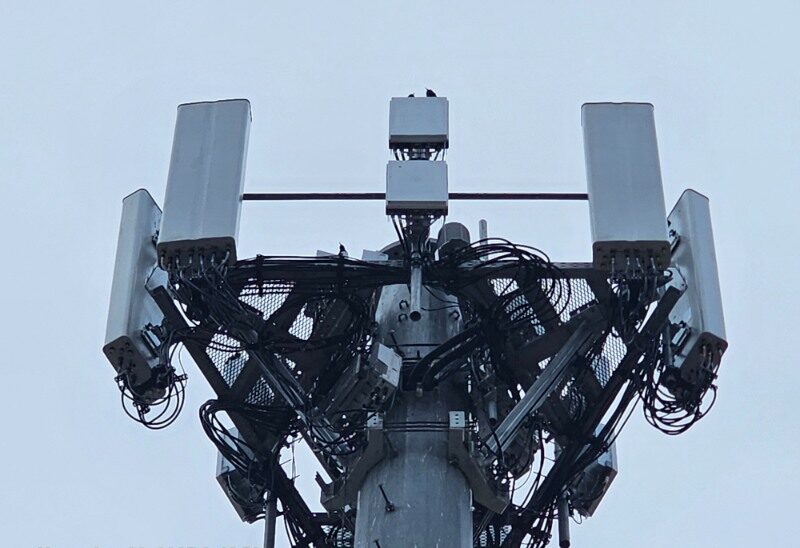
Cell tower lease agreements operate within a complex and constantly evolving framework of federal, state, and local regulations. Keeping up with these changes requires specialized knowledge to ensure compliance while protecting your financial interests.
Our team helps property owners and tower stakeholders navigate this landscape, identify potential risks, and structure agreements that maximize value while remaining compliant.
Contact Us
Ready to maximize the value of your cell tower lease agreement? JW Tower & Telecom Consulting offers the industry expertise and negotiation experience you need to pursue optimal terms and protect your long-term interests. Whether you’re evaluating a new lease offer, considering a buyout proposal, or planning to sell tower assets, our team is prepared to provide the guidance necessary for successful outcomes.
Don’t navigate the complex telecommunications landscape alone. Reach out today to schedule your initial consultation and discover how our specialized services can help you achieve your financial goals.
