
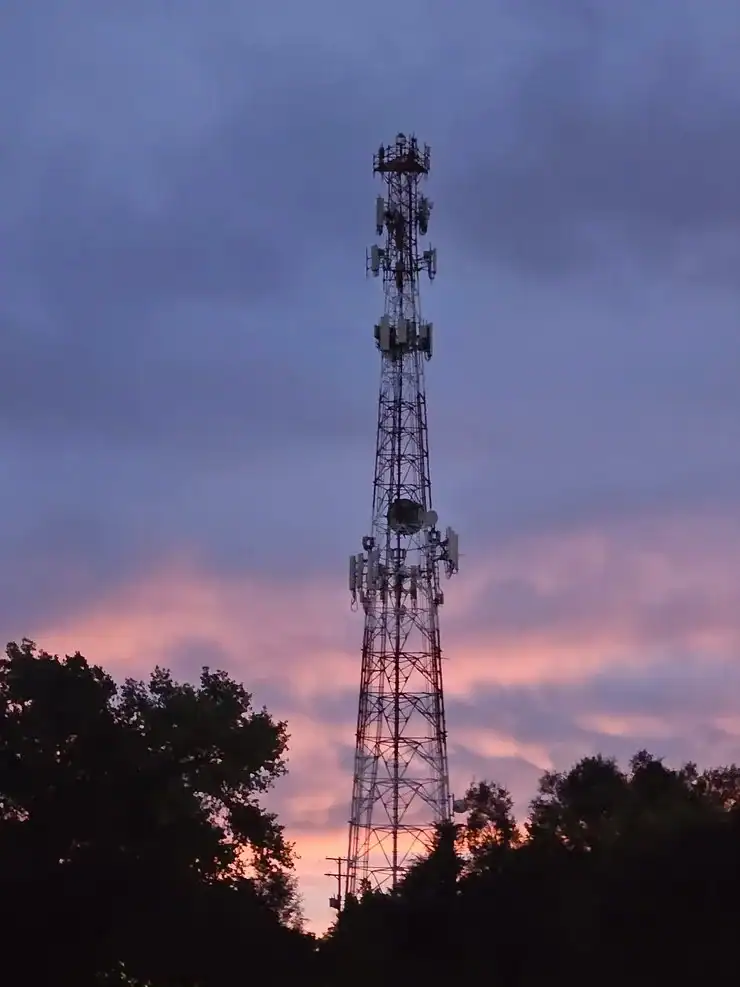
In the Greater Denver metropolitan area, wireless carriers utilize various types of infrastructure for cell towers, including self-support towers, monopoles, monopines, canisters, stealth steeples, rooftops, small cells, strand mounted small cells, and other applications. While some of these structures are highly visible, many go unnoticed by the general public.
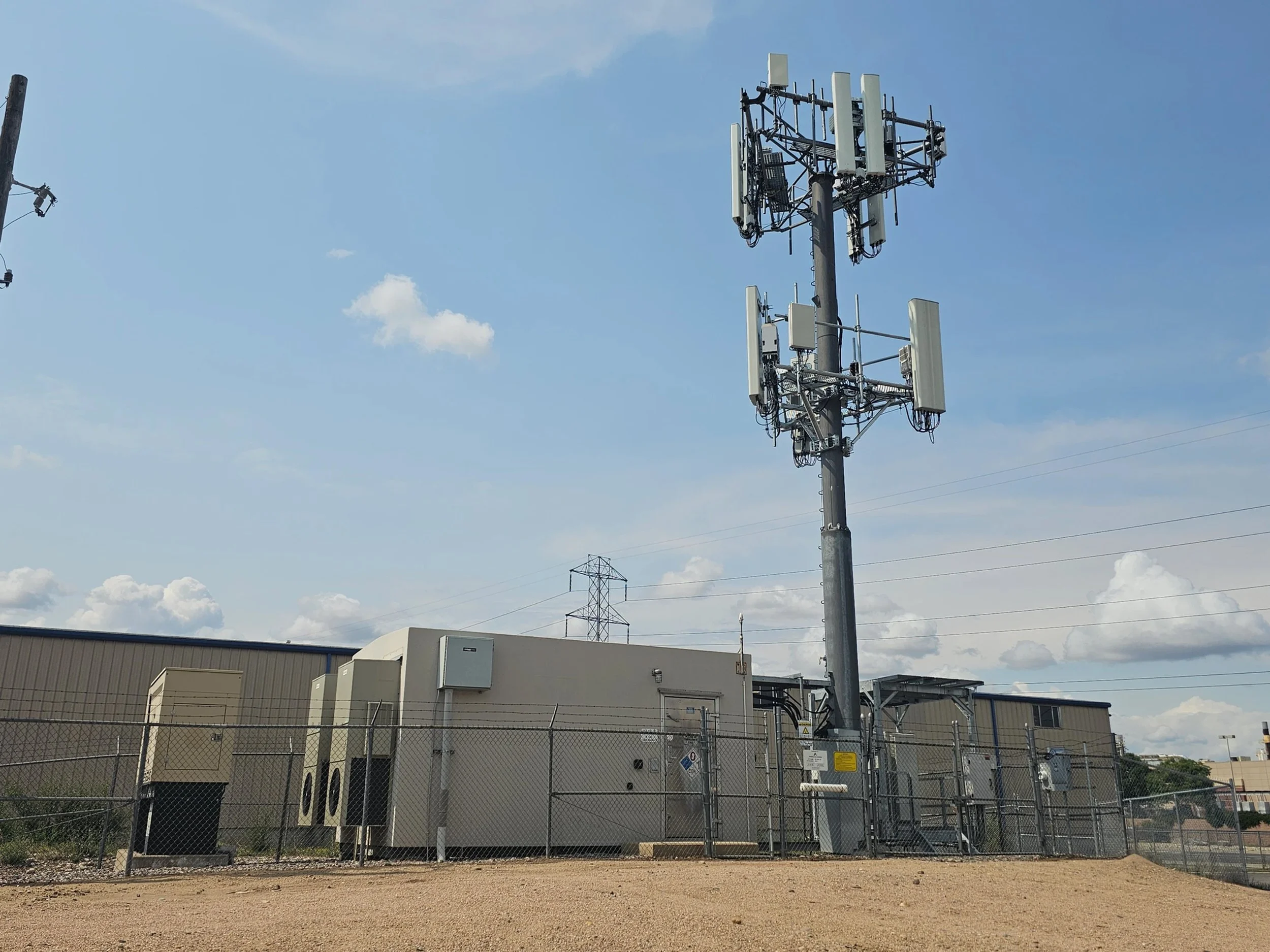
Monopole: A preferred location for a wireless carrier. Typically has a ground-based fenced compound that tower technicians may access for repair and maintenance work.
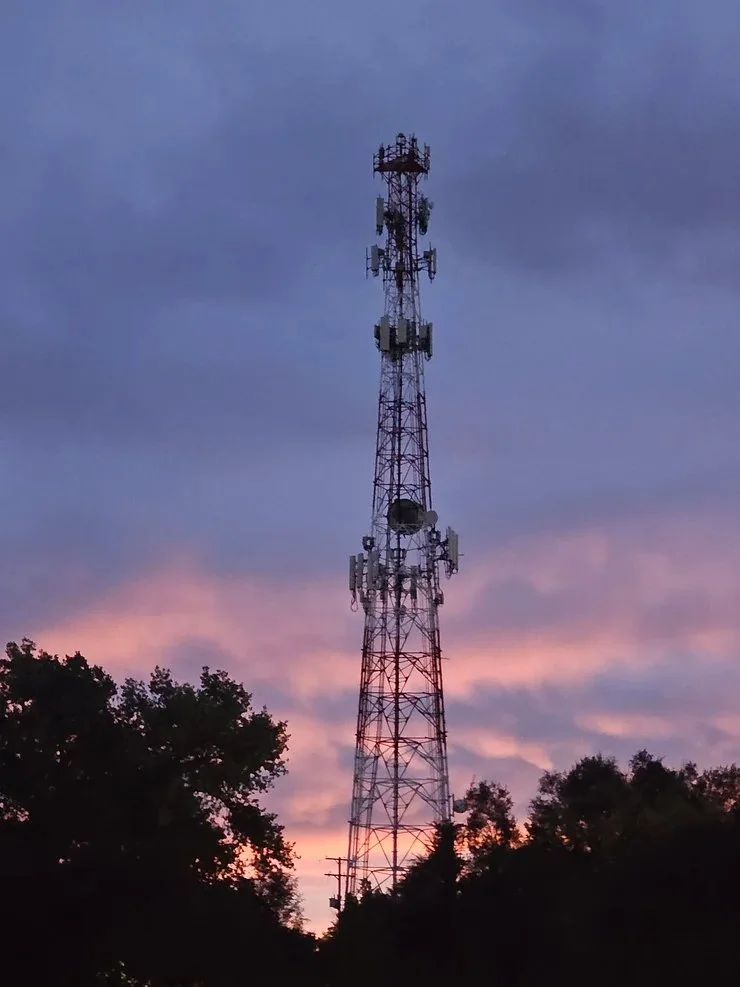
Self-Support Tower: A lattice or tapered-steel structure that carries multiple carriers on a single tower. Typically has a ground-based fenced compound that tower technicians may access for repair and maintenance work.
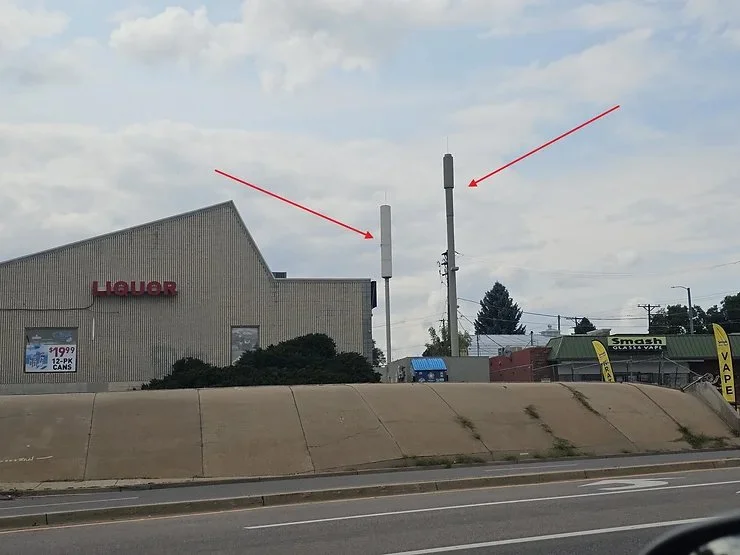
Canister: An unfavorable site for a wireless provider, usually built due to restrictive zoning conditions. In such locations, wireless carriers may struggle to utilize their complete spectrum capacity and technology, leading to limitations in signal strength and quality of service.

Rooftop
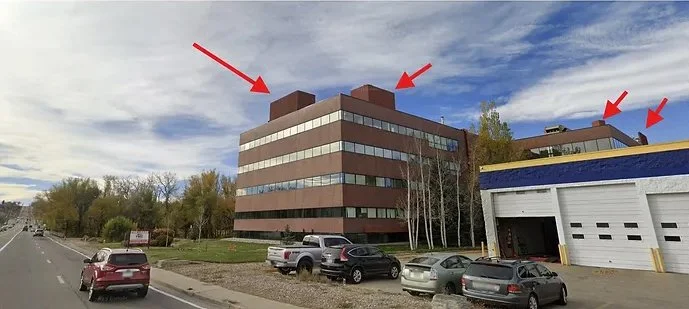
Screened Rooftop: Engineering is especially critical with screened rooftops. Each of these screened boxes is in essence a large wind mast that must be properly tied in to the building or properly ballasted.
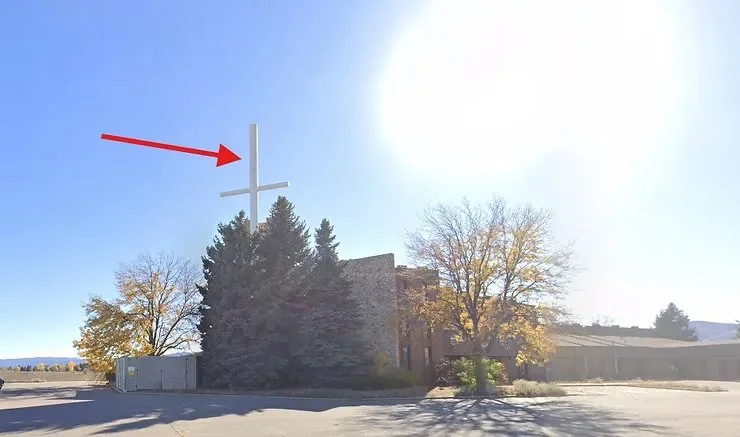
Monocross: Not preferred by the carriers due to spatial limitations, similar to the canister.

Stealth Steeple
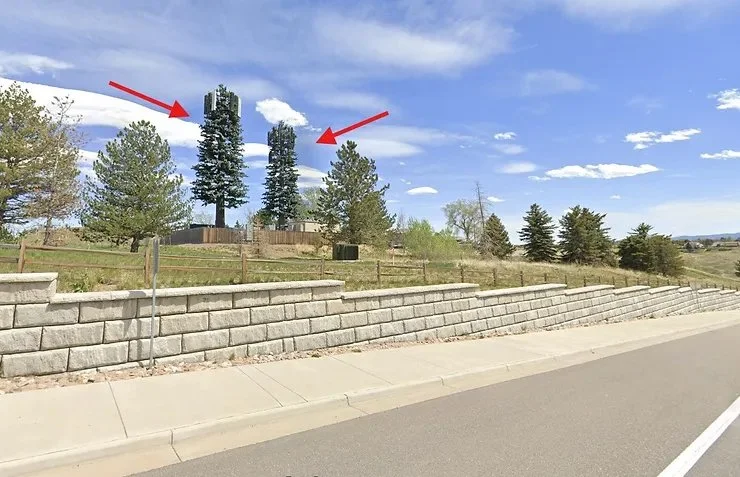
Monopine
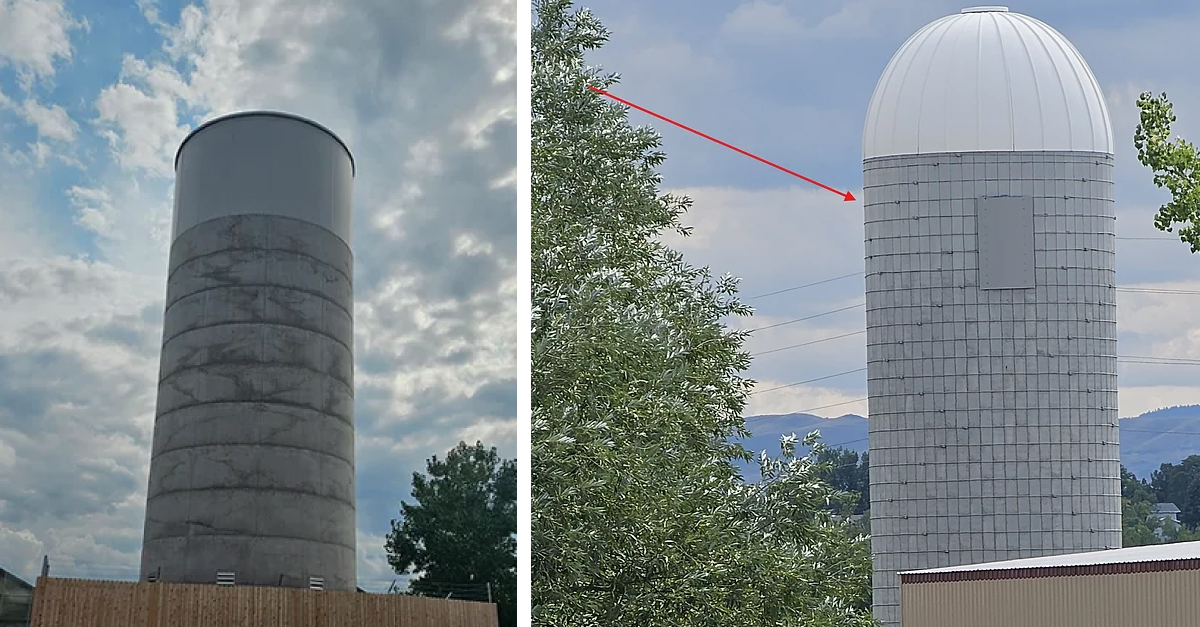
Silo

Stealth Rooftop: This architectural feature was built into the roof of a shopping center, mimicking similar features along the corridor.

Stealth Tower: On a school property, this stealth tower sits away from the educational building and disguised as a monument/landmark near the entrance to the school.
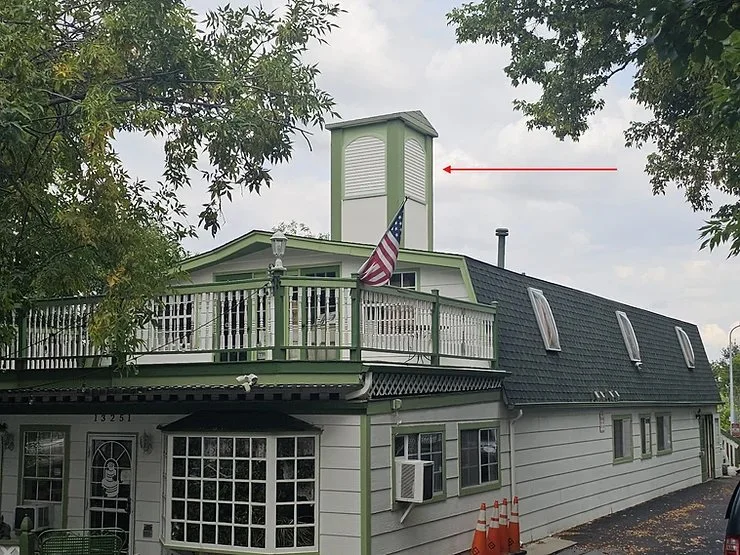
Stealth Rooftop: This architectural feature was built on the roof of a bakery. The radio heads that produce the antenna signals produce a significant amount of heat. Thus, many of these enclosed structures that are newly built (this is not a new one!) have ventilation, fans, or an active cooling system inside of them to allow for the equipment to function properly.

Stealth Rooftop: This architectural feature was built on the roof of a rec center, housing a location for this wireless carrier’s cell tower site.

Utility Poles: In the past, these antennas used to be positioned above the conductor lines. However, they were later relocated below the lines in accordance with the utility’s policy. While cell towers are situated on utility poles, this is not the primary focus of the utility. Antenna maintenance can now be carried out without the need to shut down the lines. Due to the loss in antenna height, the range of this tower is less than it previously was.

Stealth Structures
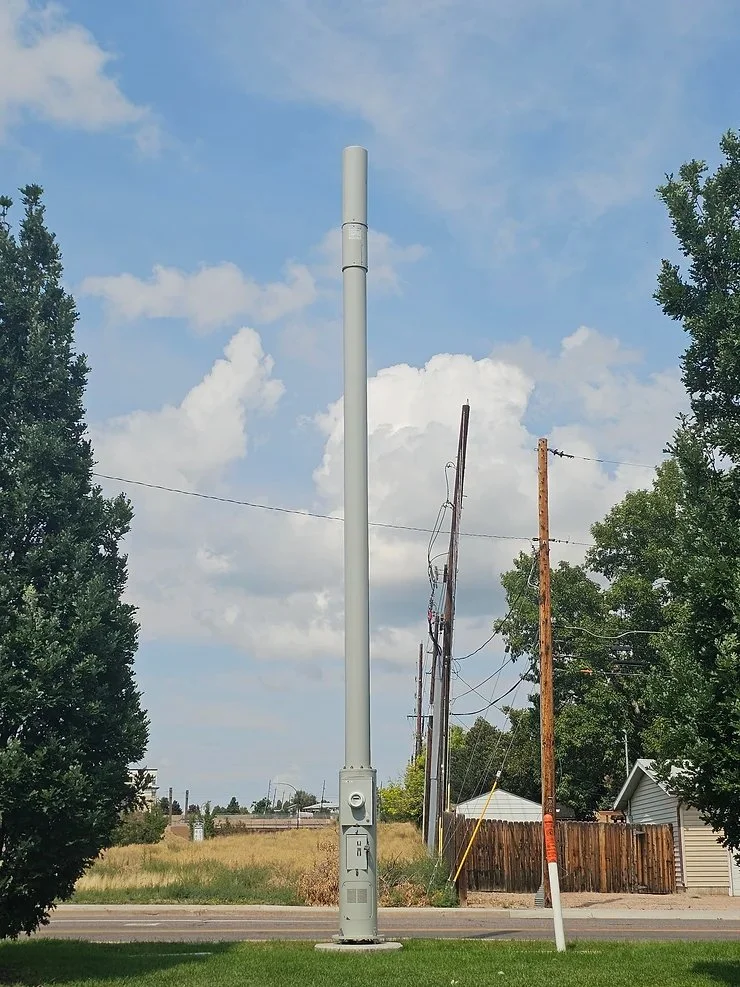
Small Cell Pole (Right-of-Way): Predominantly deployed by AT&T and Verizon in many metro areas across the United States. A topic of many newspaper articles over the past few years.

Strand-Mounted Small Cells: Often mounted on utility lines in urban areas to enhance quality of service in areas of high customer traffic.
