
California Cell Tower Lease Consultant
Wireless carriers and tower companies do not keep a special playbook for California. They value your rooftop, ground lease or tower site with the same internal models they use in every other state: how critical the location is to their network, how many workable alternatives sit inside their search ring, and what it would cost them to move. The inputs change from a Los Angeles rooftop to an orchard in the San Joaquin Valley. The math does not. The company on the other side already knows what your site is worth to them. Most California property owners do not, and that is not their fault.
John Wabiszczewicz spent his career inside that math. He started at American Tower in 2007 as an Asset Acquisitions Attorney, negotiating lease extensions, perpetual easements and land purchases on transactions across the United States, with annual spend over $40 million. From 2013 through 2023 he was a leader of T-Mobile’s Real Estate and Construction teams, where the carrier decided which sites got built, at what lease rate and on what terms. Now that knowledge works only for property owners, and because lease negotiations are run on documents, data, and calls, we handle California engagements remotely from Denver.
See What My California Cell Tower Lease Is Worth
Free consultation. Success-based representation. No obligation.
Call (720) 295-5333 | Mon-Fri 7:30am-6pm MT (6:30am-5pm PT) | Sat 8am-12pm MT (7am-11am PT)
Schedule through our Contact Us page
16+ Years
T-Mobile and American Tower Insider
JD + Finance
Former American Tower Attorney
50 States
Served Remotely from Denver, CO
Free Consult
Success-Based Representation
What California Property Owners Are Actually Up Against
The call or letter arrives without warning. A carrier, a tower company or a third-party lease buyout firm makes contact, and there is a number attached. It may be framed as a fair market offer, a limited-time opportunity or a routine business matter. What it almost never is: the number that reflects what your site is actually worth to their network.
Cell tower lease rates in California are not set the way the rest of California real estate is priced. Square footage is rarely the deciding factor. The deciding factor is network necessity: how important your specific rooftop or parcel is to the carrier’s coverage and capacity, and how many workable alternatives exist inside its search ring. A rooftop in downtown San Francisco and a pasture beside Interstate 5 in the Central Valley are run through the same model. Carriers and tower companies know the answer for every site they contact you about. Property owners almost never do.

Why California Property Owners Need Experienced Representation
Existing California lease holders face ongoing pressure. Rent-reduction letters from third-party optimization firms. Amendment requests that look routine but quietly transfer access rights or cap future compensation. Buyout offers built on internal valuation models designed to pay the minimum the market will accept. Understanding what you are being asked to sign, and what it will cost you over the next decade, is what professional representation changes.
If you are being approached about a new lease, the stakes are high from day one. The terms agreed at the proposal stage will govern your property for 25 to 30 years: rent, annual escalators, access and expansion rights, co-location provisions, and right of first refusal language that can restrict a future sale of your building or land. What carriers present as standard usually favors the carrier. Without experienced representation, owners typically leave significant value on the table before the ink is dry.
Everyone negotiates rent. Very few understand the lease. On a 25-year California cell tower lease, the difference between those two things can be six figures or more.
The Difference Between Studying the Industry and Having Built It
Most cell tower lease consultants study the market from the outside: reviewing comparable lease transactions, analyzing published rate data, reading contracts they were not party to. That knowledge is useful. It is also the same knowledge the carriers on the other side of the table already have.
John Wabiszczewicz’s background is different in kind, not just degree. At American Tower he negotiated lease extensions, capital leases, perpetual easements and land purchases at the company’s most strategically important cell sites, on transactions across the United States, and later led the acquisition of new tower assets that went on to generate over $10 million in annual revenue. From 2013 through 2023 he was a leader of T-Mobile’s Real Estate and Construction teams in its Denver market, responsible for the design, zoning, permitting, leasing and construction of new cell sites and modifications on thousands of projects, with a budget in the hundreds of millions. He did not study how carriers value sites. He worked where those valuations are made.
That is why distance is not a barrier. Site valuation is a corporate process, not a regional one. The questions a carrier asks about a ground lease in Wyoming are the same questions it asks about a rooftop in Orange County or a ranch parcel in the Sierra Nevada foothills. John answered those questions for T-Mobile across six western states.
For California owners, the work runs entirely by phone and in writing. The lease, the offer and the site address are what a review requires, and none of it depends on where the consultant sits.
Legal, Carrier, and Tower-Side Experience Behind Every Engagement
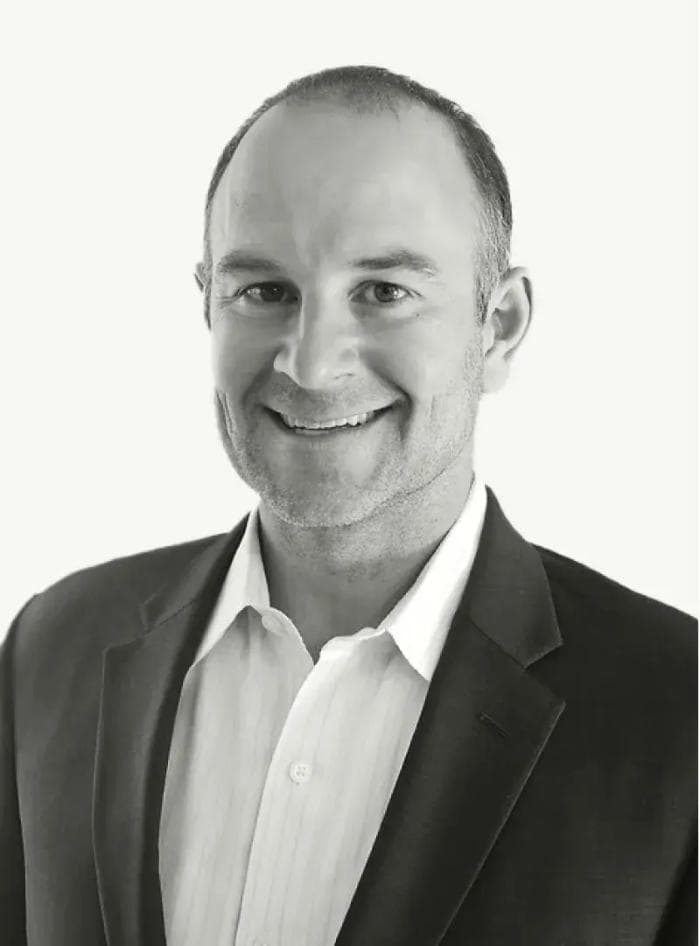
John's Juris Doctor from Roger Williams University School of Law and his years as an Asset Acquisitions Attorney at American Tower, with over $40 million in annual spend, mean he reads lease documents the way the carrier's own legal team reads them. Right of first refusal language that restricts your ability to sell. Access and expansion rights that let carriers add equipment without additional compensation. Escalator structures that look reasonable in year one and cost tens of thousands by year twenty-five. On a California site, the provisions that govern added equipment, such as standby generators, batteries and fuel tanks for backup power, decide how much more of your property the carrier can occupy and whether you are paid for it. These are the provisions that matter most over the life of the agreement, and they are rarely the ones carriers discuss first. We do not provide legal or tax advice, and we coordinate directly with your attorney and CPA.
Results-Based Representation
Our engagements are built around your result. We begin with a free consultation to understand your needs. From there, we recommend a fee structure aligned with your goals, whether that is a success fee tied to measurable outcomes or a predictable flat fee. You will always receive clear written terms before any work starts, with zero hidden costs or surprises. We are intentional about the clients we serve: if we don't see a genuine opportunity to add value to your situation, we'll let you know right away.

Cell Tower Lease Consulting Services in California
JW Tower & Telecom Consulting handles every stage of the cell tower lease lifecycle for California property owners: the first contact from a carrier, new lease negotiation, lease review, amendment analysis, buyout evaluation and tower sale advisory. All of it is handled remotely. Send us the lease or offer and the site address, and we will review it, tell you where you stand and explain how we would approach the negotiation.
Cell Tower Lease Markets Across California
California’s cell tower lease market is not one market. For its 2020 census outreach the state grouped its 58 counties into ten regions, and we combine those into six distinct lease environments, each with different network pressures, different siting constraints and different leverage for property owners. The valuation model is the same everywhere. What changes is how hard your site would be to replace.

Cell Tower Lease Buyout Consulting in California
A cell tower lease buyout converts a future income stream into an immediate lump sum. Handled with proper representation, it can be a significant financial event on terms that reflect the site’s real market value. In our experience, many unrepresented owners receive offers materially below the lease’s true value, because the companies buying leases have built their entire business around understanding that gap.
California adds its own leverage. Replacing an existing site here can mean local review under the aesthetic standards cities are entitled to impose, a coastal development permit anywhere in the coastal zone and, in a Tier 2 or Tier 3 High Fire Threat District, a new facility that has to carry 72 hours of backup power. Every one of those hurdles makes your existing site harder to replace and more valuable to keep. We know which buyers are active nationally and how to create competitive tension that moves the final number upward. For owners we have represented in other states, that process produced a 40 percent higher buyout for a Virginia church and a 43 percent higher buyout for a Texas family estate.
Cell Tower Lease Services Available in California
Every service below is available to California property owners statewide, whether you have received a new lease proposal, a buyout offer, an amendment request or a renewal notice.
Lease Buyout Consulting
Evaluate every offer. Engage multiple buyers. Close at full market value for your California site.
Lease Amendment Review
Understand every clause that changes your rights before you sign anything.
New Lease Negotiation
Just been contacted by a carrier? Understand what your site is worth before you respond.
Tower Sales Advisory
Selling a tower outright: valuation, buyer identification and negotiation through close.
Portfolio Strategy
Multiple tower or rooftop leases, in California or across several states, managed for maximum combined value.
Cell Tower Lease Consulting Across All of California
JW Tower & Telecom Consulting serves property owners in all 58 California counties: Los Angeles and Orange; San Diego, Riverside, San Bernardino and Imperial in the south and the Inland Empire; Alameda, Contra Costa, Marin, Napa, San Francisco, San Mateo, Santa Clara, Solano and Sonoma in the Bay Area; Santa Cruz, Monterey, San Benito, San Luis Obispo, Santa Barbara and Ventura on the Central Coast; Sacramento, San Joaquin, Stanislaus, Fresno, Tulare, Kern and the rest of the Central Valley; and Placer, El Dorado, Nevada, Inyo, Mono, Shasta, Siskiyou, Humboldt and the rest of the Sierra Nevada, the North Coast and the Far North.
We also take on situations that need more than a rent negotiation, for California owners as for owners anywhere else: towers on estate and probate property, family offices managing multi-generational land with existing leases, commercial and residential building owners with rooftop agreements, churches, synagogues, places of worship and nonprofits with steeple or ground leases, farms with ground leases, and institutional owners evaluating telecom lease portfolios.
We are headquartered in Denver, Colorado, and advise property owners and tower owners in all 50 states, so every California engagement is handled remotely, from first review through closing.
What Changes When Insider Knowledge Represents Your Interests
None of the owners below are in California. That is the point. The carrier and buyer models they faced are the same ones California owners face today.
Self-Storage Facility
Owners of a self-storage facility with an existing cell site lease came to us after receiving business terms that significantly undervalued their asset. The lease had been treated as passive income for years, and its structure no longer reflected current market realities. We analyzed the lease, evaluated its market position and led negotiations on the owners' behalf, restructuring the key business terms and using competitive market data to secure a substantially higher valuation than where negotiations began.
Virginia Church
When a Virginia church received an offer to sell its cell tower lease, we stepped in and negotiated a 40 percent higher buyout among multiple buyers. The result was an immediate lump-sum payment the church can reinvest in future growth and community programs.
Texas Family Estate
A Texas family managing a recent estate received an unsolicited buyout proposal for an existing cell site lease. The initial offer had been calculated using the carrier's internal model, reflecting what they expected to pay rather than what the site was worth. Through strategic valuation and by identifying the site's specific network necessity, we negotiated a 43 percent higher buyout among multiple buyers, giving the heirs an immediate lump sum and a simpler estate settlement.
"JW Tower & Telecom Consulting did an outstanding job of getting the best value for our church's cell tower easement. We were given timely status as the bidding process unfolded and a thorough analysis of the pros and cons of the terms of the bids. I would highly recommend their services to others." - Dale Howell
JW Tower & Telecom Consulting Serves All of California
We serve property owners in every California market, from Los Angeles rooftops to coastal parcels on the Central Coast to orchard ground leases in the San Joaquin Valley. Representative cities and regions we serve:
Los Angeles and Orange County
- Los Angeles: the nation's most populous county
- Long Beach, Pasadena, Santa Clarita
- Marina del Rey and the Santa Monica Mountains
- Orange County: Anaheim, Irvine, Santa Ana
San Diego, Inland Empire and Desert
- San Diego, Chula Vista, Oceanside
- Riverside, Palm Springs, Temecula
- San Bernardino, Victorville and the Mojave Desert
- El Centro and Imperial County
San Francisco Bay Area
- San Francisco
- Oakland and the East Bay
- San Jose and Santa Clara County
- Marin, Napa, Solano and Sonoma counties
Central Coast
- Santa Cruz, Monterey, Salinas
- Big Sur and the Highway 1 corridor
- San Luis Obispo, Santa Barbara
- Oxnard and Ventura
Central Valley
- Sacramento: the state capital
- Stockton and Modesto
- Fresno and Visalia
- Bakersfield and Kern County
- Chico and Yuba City
Sierra Nevada and Far North
- Redding and Shasta County
- Mount Shasta and Yreka on Interstate 5
- Eureka and Humboldt County
- Truckee and South Lake Tahoe
- Bishop, Mammoth Lakes and the Eastern Sierra
We also work with owners whose holdings cross state lines, including California. Because carriers and tower companies value sites the same way in every state, one consultant can evaluate a portfolio with sites in California, Arizona, Nevada, Oregon or anywhere else in the country.
What the California Cell Tower Lease Market Looks Like in 2026
The wireless industry has shifted fast since 2025. California owners receiving offers today are often working from old information. The companies contacting them are not.
The tower companies have changed shape. Crown Castle closed the sale of its fiber and small cell businesses on May 1, 2026, and now describes itself as owning, operating and leasing approximately 40,000 towers across the U.S. A company built around towers is focused squarely on the economics of its sites, including the ground rent it pays owners like you.
Carrier consolidation is reshaping the market. EchoStar sold its core spectrum to AT&T and SpaceX, and Dish Wireless is shutting down its 5G network and working through Chapter 11. For property owners, that creates opportunity. Carriers adding spectrum often want new equipment on the sites they keep, and every one of those requests is a negotiation. SpaceX may also become a new tenant. Beyond its Starlink satellites, the company has said it plans to build a ground-based mobile network, with radio equipment on towers, rooftops, and other sites. For California owners, that could mean a new kind of tenant looking for space for the first time in years.
California also puts wildfire resilience into the equation. Under the California Public Utilities Commission’s 2020 decision D.20-07-011, facilities-based wireless carriers must maintain 72 hours of on-site backup power at facilities in Tier 2 and Tier 3 High Fire Threat Districts, unless an exemption applies. Carriers reported 5,388 wireless facilities in those districts for 2023, and 72 percent of them had 72 hours of backup power. From 2021 through 2023, a state law, AB 2421, made a standby generator at a previously permitted macro tower site a permitted use, provided it met size limits and sat no more than 100 feet from the tower. Backup power takes ground space. If a carrier asks to add a generator, batteries or a fuel tank to your site, that request is an amendment, and its terms deserve the same scrutiny as the rent.
California’s regulatory picture is worth understanding clearly. In 2017 Governor Jerry Brown vetoed SB 649, a bill that would have let carriers place small cells in public rights of way and capped the fees cities could charge, writing that local interest in managing rights of way required a more balanced solution. Government Code section 65964.1, added by AB 57 in 2015, deems a collocation or siting application approved if a city or county does not act within the period the FCC treats as reasonable and the applicant gives the required notices. In 2019 the California Supreme Court confirmed that cities may impose aesthetic standards on wireless facilities. Small cells in public rights of way are reviewed locally under the framework of the FCC’s 2018 Small Cell Order, and federal law, Section 704 of the Telecommunications Act of 1996, preserves local zoning authority over where towers go, within limits. None of these rules set the rent or terms of a private agreement. A ground lease or rooftop agreement in California is a private contract. Its rent and terms are set by negotiation between you and your tenant, not by right-of-way rules.

Know What Your California Cell Tower Lease Is Worth Before You Decide Anything
Whether you have held a lease for years or just received your first contact from a carrier, the decision in front of you will govern your property for decades. The person you call next spent years inside American Tower and T-Mobile, on the side of the table that sets the rates and writes the lease terms property owners are asked to accept.
JW Tower & Telecom Consulting is headquartered in Denver, Colorado, and represents California property owners remotely. We work exclusively for property owners and accept no compensation from carriers, tower companies or lease buyout firms.
It all starts with a free consultation.
Schedule your free consultation
Call (720) 295-5333 or visit jwttc.com/contact-us/
Weekdays 6:30 a.m.–5:00 p.m. PT · Saturdays 7:00 a.m.–11:00 a.m. PT
Fees agreed in writing before any work begins.