
New York Cell Tower Lease Consultant
Wireless carriers and tower companies do not keep a separate playbook for New York. A rooftop in Brooklyn, a ground lease in the Finger Lakes and a tower site in the Adirondacks all run through the same internal valuation models the industry uses in every other state. Those models decide what your site is worth to the network, what the first offer will be and how far the company is prepared to move. Most New York property owners never see those numbers, and that is not their fault. That gap is the basis of every first offer, whether it arrives as a new lease, a lease amendment or a buyout proposal.
John Wabiszczewicz built and ran those models from the inside. He spent 10 years at T-Mobile leading the real estate teams that decided which sites got built, at what lease rate and on what terms. Before that, he served as an Asset Acquisitions Attorney at American Tower, negotiating lease extensions, perpetual easements and land purchases across the United States with annual spend exceeding $40 million. He is not based in New York, and your lease does not need him to be. The math a carrier runs on your New York site is the math he used to run. Now that knowledge works only for property owners, and because lease negotiations are run on documents, data, and calls, we handle New York engagements remotely from Denver.
See What My New York Cell Tower Lease Is Worth
Free consultation. Success-based representation. No obligation.
Call (720) 295-5333 | Mon-Fri 9:30am-8pm ET | Sat 10am-2pm ET
Schedule through our Contact Us page
16+ Years
T-Mobile and American Tower Insider
All 50 States
Served Remotely from Our Denver HQ
JD + Finance
Attorney with Telecom Real Estate Background
Free Consult
Success-Based Representation
What New York Property Owners Are Actually Up Against
The call or letter arrives without warning. A carrier, a tower company or a third-party lease buyout firm makes contact, and there is a number attached. It may be presented as a fair market offer, a limited-time opportunity or a routine business matter. What it almost never is: the number that reflects what your site is actually worth to their network.
Cell tower lease rates in New York are not priced the way New York real estate is priced. Square footage, neighborhood comparables and the assessed value of your building are beside the point. The determining factor is network necessity: how critical your specific location is to the carrier’s coverage and capacity, and how many workable alternatives exist inside its search ring. That question gets answered the same way for a Manhattan rooftop as for a farm field in Genesee County. Carriers and tower companies run the calculation precisely for every site they contact you about. Property owners almost never do.

Why New York Property Owners Need Experienced Representation
Existing New York lease holders face ongoing pressure. Rent-reduction letters from third-party optimization firms. Amendment requests that look routine but quietly transfer access rights or cap future compensation. Buyout offers built on internal valuation models designed to pay the minimum the market will accept. New York City co-op and condominium boards have been fielding these mailings for years. Understanding what you are actually being asked to sign, and what it will cost you over the next decade, is what professional representation changes.
For New York property owners being approached about a new lease, the stakes are high from day one. The terms agreed at the proposal stage will govern the property for 25 to 30 years: rent, annual escalators, access and expansion rights, co-location provisions, and right of first refusal language that can restrict a future sale of the building or the land. What carriers present as standard often heavily favors their interests. Without experienced representation, property owners typically leave significant value on the table before the ink is dry.
Everyone negotiates rent. Very few understand the lease. The difference between those two things, on a 25-year New York cell tower lease, can be six figures or more.
The Difference Between Studying the Industry and Having Built It
Most cell tower lease consultants study the market from the outside: reviewing comparable lease transactions, analyzing published rate data, reading contracts they were not party to. That knowledge is useful. It is also the same knowledge the carriers on the other side of the table already have.
John Wabiszczewicz’s background is different in kind, not just degree. He began his career in 2007 at American Tower in Greater Boston as an Asset Acquisitions Attorney, negotiating lease extensions, capital leases, perpetual easements and land purchases at some of the company’s most strategically important cell sites across the United States. He then moved to Colorado as a Tower Acquisitions Representative, leading the acquisition of new tower assets that went on to generate more than $10 million in annual revenue. From 2013 through 2023, he led the Real Estate and Construction teams in T-Mobile’s Denver Market, responsible for designing, zoning, permitting, leasing, constructing and activating new cell sites and modifications on thousands of projects, with a budget in the hundreds of millions of dollars. He sat in the meetings where internal site valuations were set. Those valuation methods are not regional. They are how the industry prices a site in every state, New York included.

Legal, Carrier, and Tower-Side Experience Behind Every Engagement
John puts his Juris Doctor from Roger Williams University School of Law to work on every New York lease review. It is not a background credential. His work as an Asset Acquisitions Attorney at American Tower, handling more than $40 million in annual transactions, means he reads lease documents the way the carrier’s own legal team reads them. Right of first refusal language that limits your ability to sell the building or the land. Access and expansion rights that let carriers add equipment without additional compensation. Escalator structures that look reasonable in year one and cost tens of thousands of dollars by year twenty-five. These are the provisions that matter most over the life of a New York lease. They are rarely the ones carriers raise first.
Results-Based Representation
Our engagements are built around your result. We begin with a free consultation to understand your needs. From there, we recommend a fee structure aligned with your goals, whether that is a success fee tied to measurable outcomes or a predictable flat fee. You will always receive clear written terms before any work starts, with zero hidden costs or surprises. We are intentional about the clients we serve: if we don't see a genuine opportunity to add value to your situation, we'll let you know right away.
Cell Tower Lease Consulting Services in New York
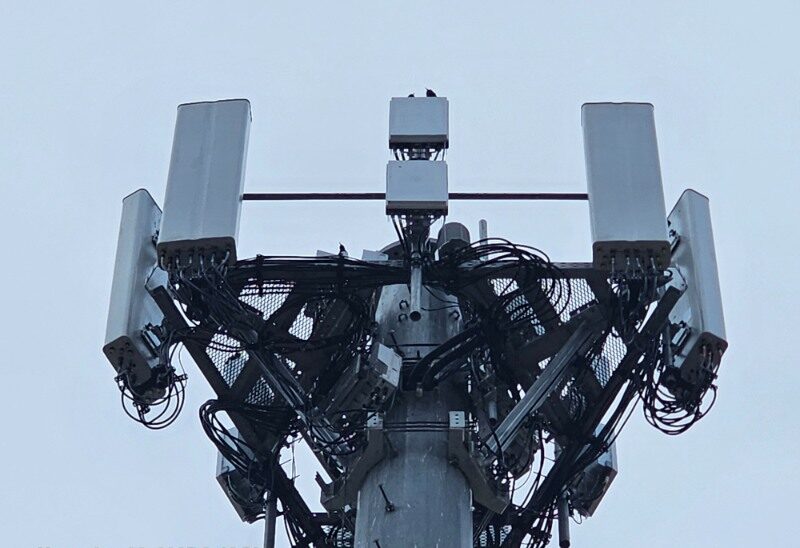
JW Tower & Telecom Consulting handles every stage of the cell tower lease lifecycle for New York property owners: from the first contact by a carrier through new lease negotiation, lease agreement review, amendment analysis, buyout evaluation and tower sales advisory. Every New York engagement runs remotely, by phone and email, with documents exchanged electronically.
Cell Tower Lease Markets Across New York
New York’s cell tower lease market is not one market. The state is organized into ten economic development regions, and for lease purposes they fall into six distinct environments, each with different network pressures, different siting constraints and different leverage for property owners. Understanding your region is the first step to understanding what your lease is worth.

Cell Tower Lease Buyout Consulting in New York
A cell tower lease buyout converts a future income stream into an immediate lump sum. When handled with proper representation, it can be a significant financial event on terms that accurately reflect the site’s market value. In our experience, many unrepresented owners receive offers materially below the lease’s true value, because the companies acquiring leases have built their entire business around understanding that gap.
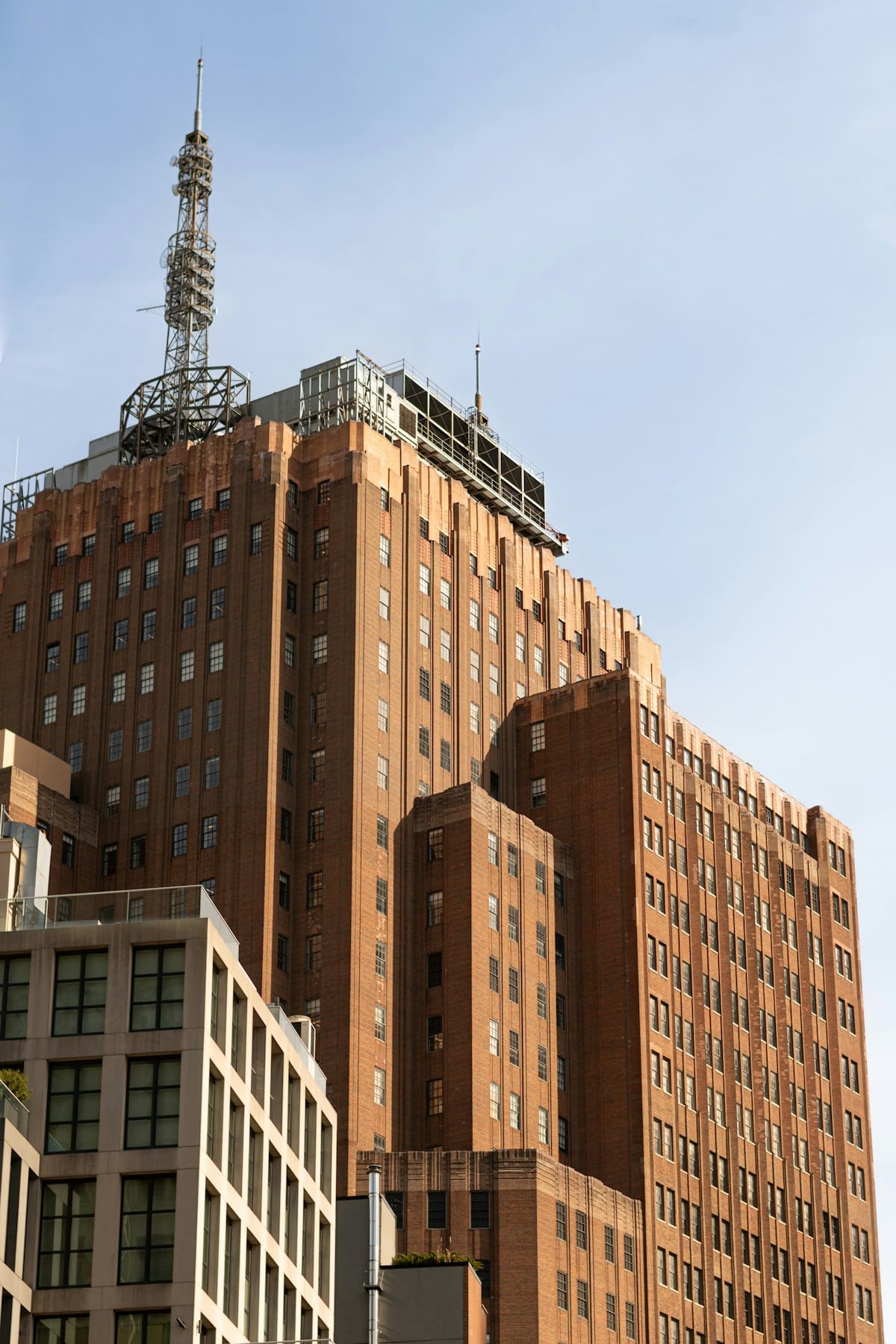
In New York, the case for representation is the same as anywhere else. Lease aggregators and tower companies buy cell tower leases for one reason: the income. They price a New York site with the same models they use nationwide, weighing the rent, the escalators, the remaining term, and how likely the carrier is to stay, then make the opening offer they expect an unrepresented owner to accept. In New York, where replacing a site can be slow, costly, or blocked outright, from Manhattan rooftops to Adirondack ridgelines, carriers rarely walk away from a good location. That makes your income stream more reliable, and more valuable, than their opening offer usually reflects. We know which buyers are active, how they underwrite a site, and how to create competitive tension that moves the final number upward.
Cell Tower Lease Services Available in New York
Every service below is available to New York property owners statewide, whether you have received a new lease proposal, a buyout offer, an amendment request or a renewal notice.
Lease Buyout Consulting
Evaluate every offer. Engage multiple buyers. Close at full New York market value.
Lease Amendment Review
Understand every clause that changes your rights before signing anything.
New Lease Negotiation
Just been contacted by a carrier? Understand what your New York site is worth before you respond.
Tower Sales Advisory
Selling a tower outright: valuation, buyer identification, negotiation through close.
Portfolio Strategy
Multiple New York leases, or sites across several states, managed for maximum aggregate value.
Cell Tower Lease Consulting Across All of New York
JW Tower & Telecom Consulting serves property owners in all 62 New York counties: from the five boroughs of New York City and Nassau and Suffolk on Long Island, north through Westchester and the Hudson Valley to Albany and the Capital Region, up through the Adirondacks to Clinton and St. Lawrence counties on the Canadian border, and west across Central New York, the Finger Lakes, the Mohawk Valley and the Southern Tier to Chautauqua, Erie and Niagara counties at the state’s western edge. All of it is handled remotely from our Denver headquarters. We do not have a New York office, and we do not claim one.
We also serve New York property owners dealing with tower leases in estate and probate situations, family offices managing multi-generational land with existing leases, co-op and condominium boards and commercial building owners with rooftop agreements, churches, synagogues, places of worship and other institutions with tower easements, agricultural operations with ground leases, and owners of the towers themselves.
What Changes When Insider Knowledge Represents Your Interests
None of the owners below are in New York. That is the point. The carrier and buyer models they faced are the same ones New York owners face today.
Self-Storage Facility
Owners of a self-storage facility with an existing cell site lease engaged JW Tower & Telecom Consulting after receiving initial business terms that significantly undervalued their asset. The lease had been treated as passive income for years, but the contract structure and valuation did not reflect current market realities. We analyzed the lease, evaluated market positioning and led negotiations on the owners’ behalf. By restructuring the key business terms and using competitive market data, we secured a substantially higher valuation than where negotiations began, converting an overlooked revenue stream into a correctly valued strategic asset.
Texas Family Estate
A Texas family managing a recent estate received an unsolicited buyout proposal for an existing cell site lease. The initial offer had been calculated using the carrier’s internal model, reflecting what they expected to pay rather than what the site was worth. Through strategic valuation, identifying the site’s specific network necessity and bringing multiple buyers to the table, we secured a buyout 43 percent higher than the initial proposal. Individual results vary; past outcomes do not guarantee future results.
“JW Tower & Telecom Consulting did an outstanding job of getting the best value for our church’s cell tower easement. We were given timely status as the bidding process unfolded and a thorough analysis of the pros and cons of the terms of the bids. I would highly recommend their services to others.” - Dale Howell
JW Tower & Telecom Consulting Serves All of New York
We serve property owners in every New York market, from Manhattan rooftops to Long Island suburbs to farm ground leases in the Finger Lakes. Representative cities and regions we serve:
New York City
- The Bronx and Brooklyn
- Manhattan: high-rise rooftop and facade sites
- Queens and Staten Island
Long Island
- Babylon, Brookhaven, East Hampton
- Hempstead, Huntington, Islip
- North Hempstead, Oyster Bay, Riverhead
- Smithtown, Southampton
Mid-Hudson and the Catskills
- Kingston, Liberty, Middletown
- Monticello, New Paltz, New Rochelle
- Newburgh, Poughkeepsie
- White Plains, Yonkers
Capital Region and North Country
- Albany, Glens Falls, Lake Placid
- Massena, Plattsburgh, Saranac Lake
- Saratoga Springs, Schenectady
- Troy, Watertown
Central New York and Southern Tier
- Binghamton, Corning, Cortland
- Elmira, Ithaca, Oneonta
- Rome, Syracuse, Utica
Western New York and Finger Lakes
- Batavia, Buffalo, Canandaigua
- Geneva, Jamestown, Niagara Falls
- Rochester, Watkins Glen
We also work with owners whose holdings cross state lines. Because carriers and tower companies value sites the same way in every state, one consultant can evaluate a Manhattan rooftop, a New Jersey ground lease and a Pennsylvania tower against the same yardstick, and spot when one of them is being priced below the others. John’s own roots are in the Northeast: he grew up in Waterbury, Connecticut, and began his telecom career at American Tower in Greater Boston before moving to Colorado.
What the New York Cell Tower Lease Market Looks Like in 2026
The wireless industry has changed materially since 2025. New York property owners receiving offers today are often working from information that is years old. The companies contacting them are not.
Carrier consolidation is reshaping the market. EchoStar sold its core spectrum to AT&T and SpaceX, and Dish Wireless is shutting down its 5G network and working through Chapter 11. For property owners, that creates opportunity. Carriers adding spectrum often want new equipment on the sites they keep, and every one of those requests is a negotiation. SpaceX may also become a new tenant. Beyond its Starlink satellites, the company has said it plans to build a ground-based mobile network, with radio equipment on towers, rooftops, and other sites. For New York owners, that could mean a new kind of tenant looking for space for the first time in years.
Macro sites are not being replaced by small cells. They are becoming more embedded in carrier networks, because each carrier’s total equipment investment at an existing site grows with every upgrade cycle. A well-positioned New York macro site in 2026 carries more strategic value to the carrier than it did five years ago.
New York’s regulatory environment is worth understanding clearly. There is no single statewide gatekeeper for new towers. Under New York’s home rule system, each city, town and village applies its own zoning and permitting rules, and environmental review under SEQRA varies from one municipality to the next. A state task force studying upstate cell coverage described the result as inconsistent and unpredictable. Add the Adirondack Park Agency’s “substantially invisible” standard, the forever wild Forest Preserve in the Adirondacks and Catskills, and New York City’s rules for rooftop and facade antennas, and building a new site in New York is slow and uncertain. Those rules govern where carriers can build. They do not set your rent. A ground lease or rooftop agreement is a private contract, fully negotiable, and the difficulty of replacing your site is part of what you bring to the table.
Know What Your New York Cell Tower Lease Is Worth Before You Decide Anything
Whether you have held a lease for years or just received your first contact from a carrier, the decision in front of you will govern your property for decades. The person you call next spent more than 16 years on the other side of this exact transaction, setting the rates and writing the lease terms that New York property owners are now being asked to accept or negotiate.
JW Tower & Telecom Consulting is headquartered in Denver, Colorado, and serves New York owners remotely, by phone and email, with documents exchanged electronically. We work exclusively for property owners. We accept no compensation from carriers, tower companies or lease buyout firms.
It all starts with a free consultation.
Schedule your free consultation
Call (720) 295-5333 or visit jwttc.com/contact-us/
Weekdays 9:30 a.m.–8:00 p.m. ET · Saturdays 10:00 a.m.–2:00 p.m. ET
Fees agreed in writing before any work begins.